
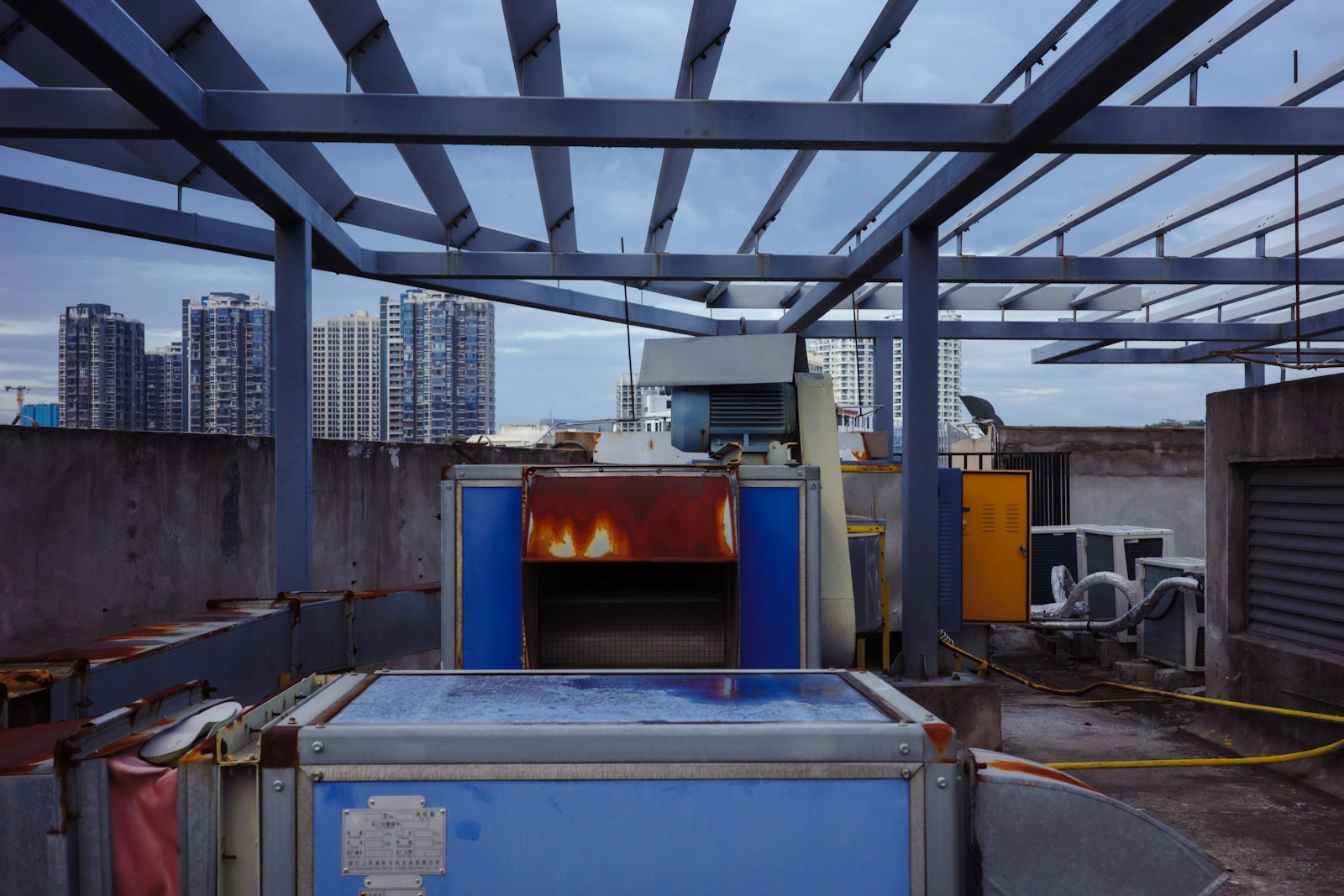
What RTU service covers
A packaged rooftop unit puts compressors, condenser and evaporator coils, the supply fan and usually a gas or electric heat section into a single weather-exposed cabinet.
Because everything lives outdoors, RTUs deal with sun load, wind-blown debris, freeze-thaw cycles and the occasional wandering contractor. Our work on them ranges from routine filter and belt changes to compressor diagnosis, economizer repair, heat exchanger inspection and controls troubleshooting on units that short-cycle, lock out or simply can’t keep up on hot afternoons.
Signs a unit needs attention
- Zones drift warm in the afternoon even though the unit appears to be running.
- Compressors short-cycle or trip on high or low pressure.
- The economizer damper is stuck, bringing in humid outside air or no fresh air at all.
- Gas heat fails to light, or rollout and limit switches keep tripping.
- Ice forms on the evaporator coil, or condensate overflows into the ceiling below.
- Bearing noise from the supply fan or a condenser fan motor that hums but won’t start.
- Energy use creeps up with no change in hours or occupancy.
How a service visit runs
- Check-in and access. We meet your site contact, confirm the route to the units and set up fall protection where work is near an unguarded edge.
- Isolate. Electrical and gas isolation with lockout/tagout before any panel comes off.
- Test, don’t guess. Refrigerant pressures with superheat and subcooling, amp draws against nameplate, combustion and temperature rise on the heat section, airflow and static pressure, economizer sensors and actuator stroke.
- Repair with approval. Straightforward faults are fixed on the visit within the authorization limit you set. Bigger items are written up with options.
- Report. You get findings, readings and photos for each unit, ranked by urgency.
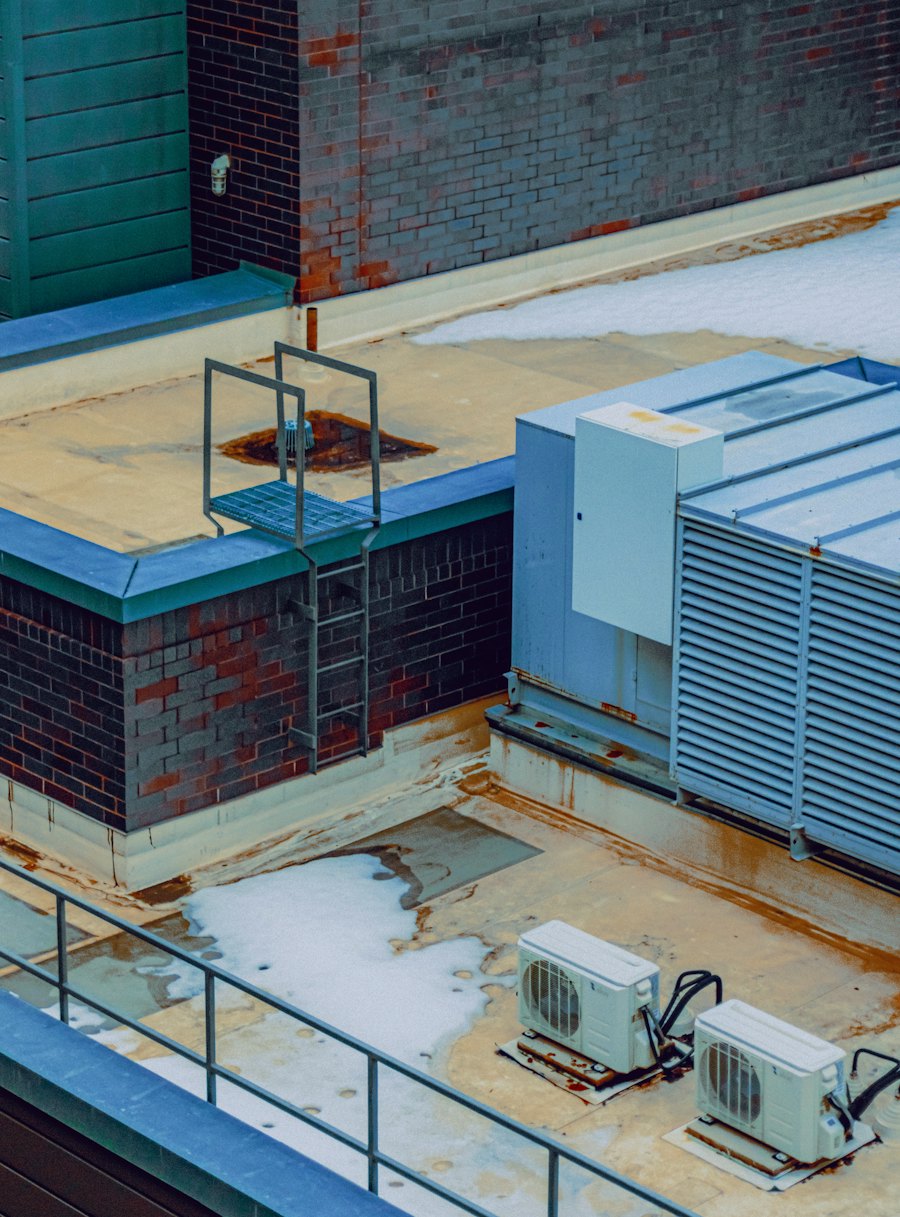
What a standard RTU inspection includes
- Filter change and belt inspection, tensioning or replacement
- Condenser coil cleaning at the start of the cooling season
- Condensate pan, trap and drain line flush
- Electrical connection tightening, contactor and capacitor testing
- Refrigerant circuit check and leak search where readings point to one
- Burner, igniter, flame sensor and heat exchanger inspection; flue and vent check
- Economizer, damper linkage, outdoor air sensor and thermostat or controller verification
Repair or replace?
When a unit is near the end of its service life, has lost a compressor, or runs on a refrigerant that is being phased down, we lay out the options side by side: repair cost against replacement, whether the new unit fits the existing curb or needs an adapter, crane and permit logistics, and lead times. The aim is a decision that fits your capital plan, not a sales push.
Frequently asked questions
Do you work on all brands of packaged units?
Yes. Most packaged equipment shares the same components and diagnostic approach. Where a manufacturer uses proprietary controls or parts with long lead times, we tell you up front so you can plan around it.
Will the building need to shut down?
Rarely. Units are serviced one at a time, so the rest of the building keeps conditioning while each cabinet is open. Larger repairs can be scheduled before or after occupied hours.
How often should RTUs be serviced?
Manufacturers generally call for checks ahead of both the cooling and heating seasons, with filters changed more often on dusty sites. We set the interval once we’ve seen the equipment and how hard it runs.
Can you handle a full replacement with a crane lift?
Yes. We coordinate the crane, the permit, the curb adapter if one is needed and an off-hours lift window, then commission the new unit and tie it back into your controls.