
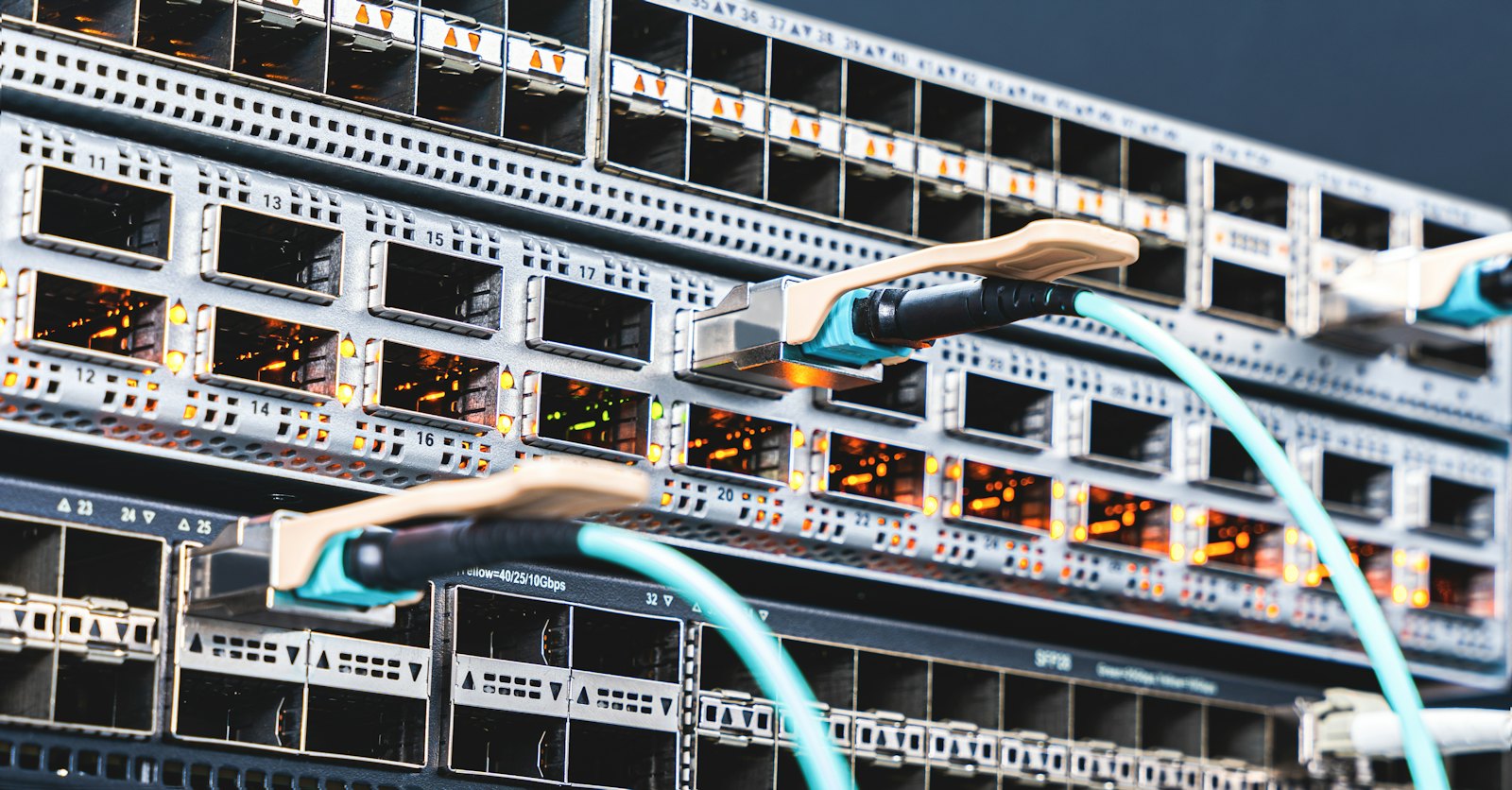
Equipment we look after
From a single split system in a closet server room to rows of perimeter units on a raised floor, the goal is the same: steady inlet temperatures and no single point of failure.
- CRAC (direct expansion) and CRAH (chilled water) units
- In-row coolers and rear-door heat exchangers
- Chilled water distribution, valves and pumps serving the white space
- Dedicated split and ductless systems in small server rooms
- Humidifiers, condensate pumps and under-floor leak detection
What good looks like
ASHRAE’s thermal guidelines for data processing environments set a recommended server inlet range that many operators use as their baseline, and equipment manufacturers publish their own allowable limits. Hitting those numbers consistently is mostly about airflow, not just cooling capacity.
- Hot and cold aisles kept separate, with containment where layouts allow.
- Blanking panels in empty rack spaces so hot exhaust can’t recirculate.
- Perforated tiles only where there is load, and cable openings sealed.
- Redundant cooling capacity that is tested, not just installed.
Maintenance without downtime
- Method of procedure. Every intervention is written as a step-by-step MOP with rollback steps, reviewed by your team before the change window.
- Prove the standby. Before a unit is taken offline, we confirm the remaining units are carrying the load and inlet temperatures are stable.
- One unit at a time. Work is completed and the unit returned to service before the next one is touched.
- Watch the room. Temperatures are monitored throughout, with clear stop criteria if anything moves.
- Close out. Readings, findings and any alarm events are documented and shared with your operations team.
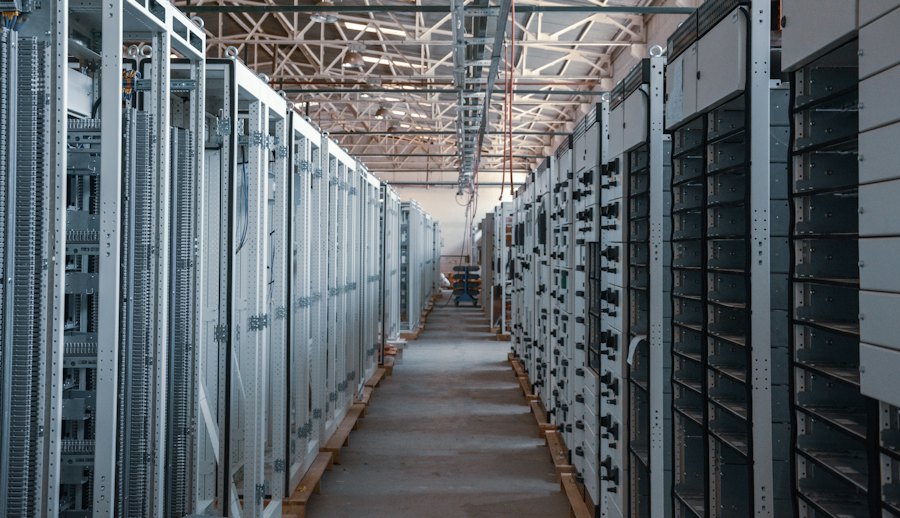
Thermal surveys and capacity checks
Before you add racks or raise densities, a thermal survey shows where cold air goes and where hot spots form. We measure inlet temperatures at rack level, check airflow at tiles and returns, and compare installed cooling capacity against current and planned load. The result is a practical list: rearrange tiles, add blanking, contain an aisle, or add cooling, in that order of cost.
Edge sites and server closets
Many organizations run critical IT in rooms that were never designed for it. Often the only cooling is a comfort system that shuts off at night. We assess these rooms, recommend dedicated cooling where it’s needed, and set up temperature alarms so someone knows before equipment starts throttling.
Frequently asked questions
Can you work in a live data hall?
Yes. All work in live space follows an agreed MOP and your site’s access and change control rules.
Do you supply monitoring?
We can configure alarms on existing cooling controls and integrate them into your building or data center management system. We don’t replace your DCIM platform.
How do we know if we have enough redundancy?
We compare installed capacity, unit by unit, against the measured load with one unit out of service. If the room can’t hold temperature in that state, you’ll know before it matters.
Do small server rooms really need dedicated cooling?
If the IT equipment runs around the clock and the building system doesn’t, usually yes. A survey will tell you.