
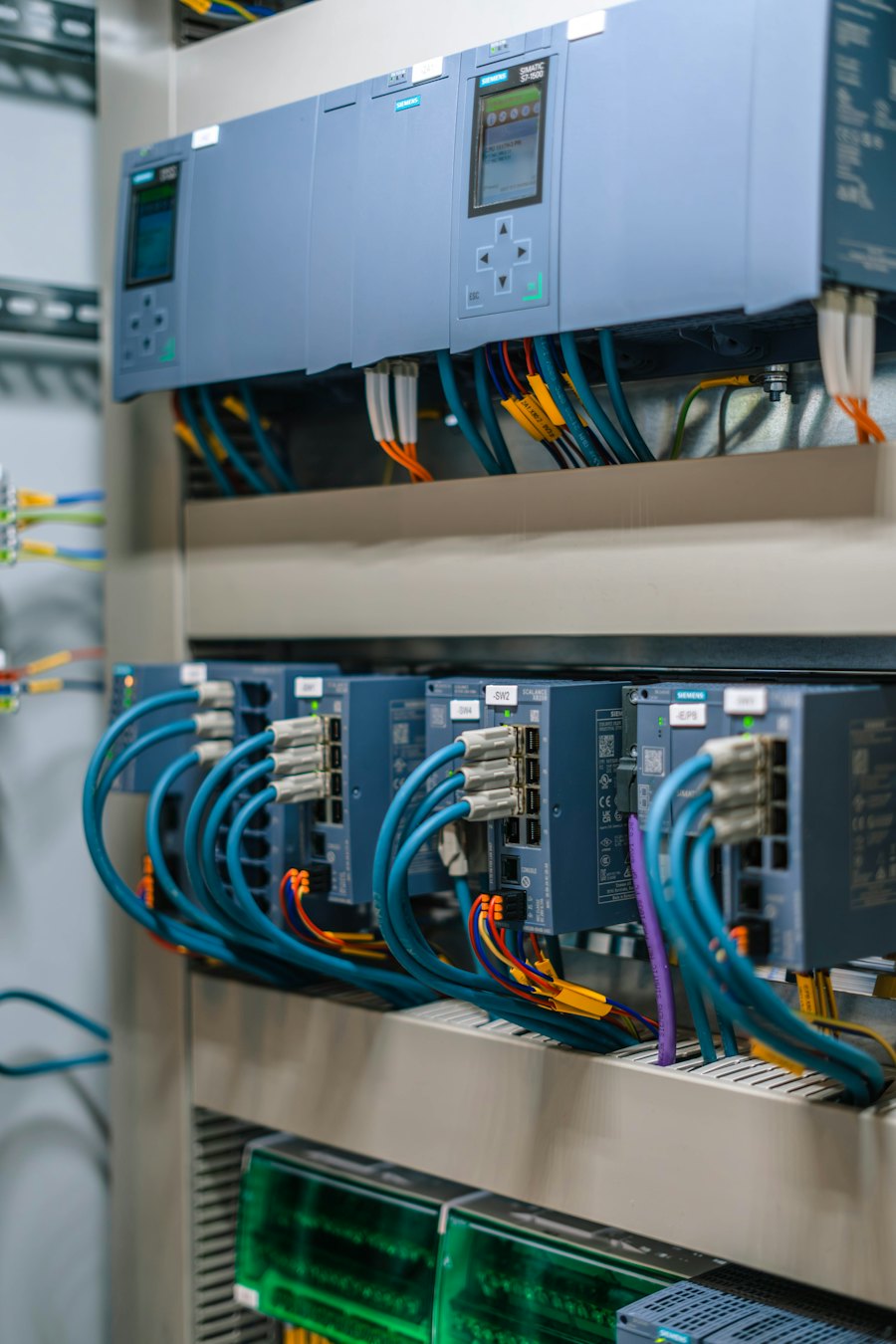
What we work on
We service and upgrade the controls that run HVAC equipment in commercial buildings, from a single controller on a packaged unit to a campus-wide front end.
- DDC controllers on air handlers, packaged units, chillers, boilers and pumps
- VAV boxes, actuators, valves and damper linkages
- Temperature, humidity, pressure, CO₂ and flow sensors
- Schedules, setpoints, trends, alarms and operator graphics
- Integration over open protocols such as BACnet and Modbus
Problems we see most often
- Points left in manual override months ago, so equipment ignores its sequence.
- Occupancy schedules that no longer match how the building is used.
- A failed or drifting sensor driving simultaneous heating and cooling.
- So many nuisance alarms that real ones get ignored.
- An unsupported front end that only one laptop in the building can still reach.
How a controls project runs
- Point audit. We walk the system point by point: what exists, what’s overridden, what’s failed and what’s reporting nonsense.
- Trend review. A few weeks of trend data shows how sequences actually behave across occupied and unoccupied hours.
- Sequence check. Programmed sequences are compared with the design intent and with how the building is used today.
- Fix list. You get a prioritized list: quick wins first, then items that need parts or programming time.
- Correct and verify. Repairs and reprogramming are tested functionally, not just marked complete.
- Train. Your facility team gets a walk-through of graphics, alarms and the overrides that are safe to use.
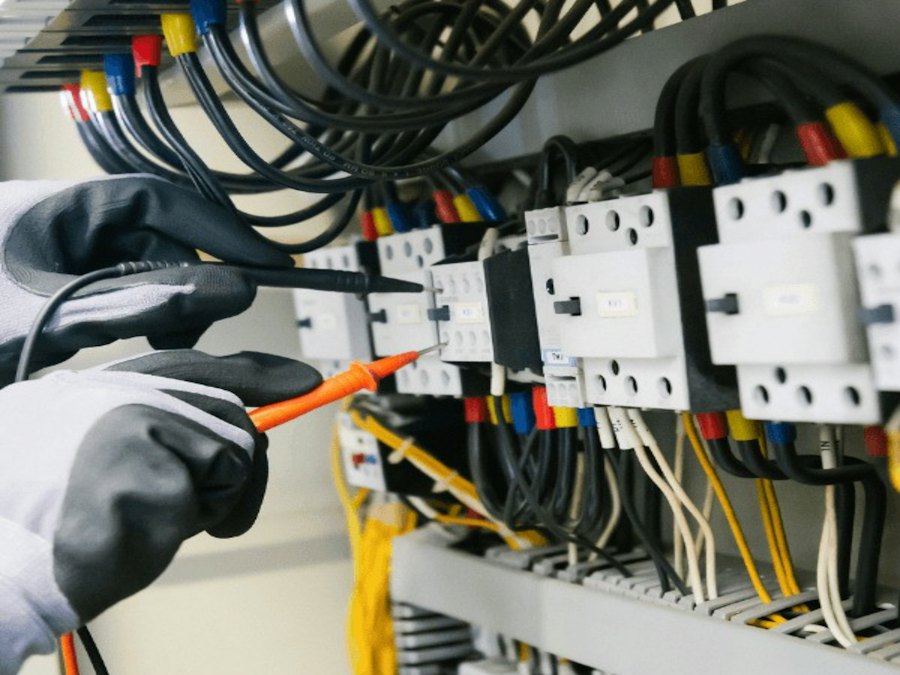
Upgrades without a rip-and-replace
Many systems can be modernized in phases. Field controllers that still work can often stay, with a new supervisory layer and open-protocol integration on top. Where controllers do need replacing, we sequence the work by building area or system so that comfort is never handed over to manual control for long.
Security basics for connected buildings
Controls networks are now part of your IT footprint. We keep them on segregated networks, replace default passwords with unique credentials, and set up remote access through your organization’s approved method rather than an open port on the internet. Your IT team stays in the loop on anything that touches their network.
Frequently asked questions
Can you work on a system someone else installed?
Usually, yes. Open-protocol systems are straightforward. Proprietary systems may need manufacturer software or licensing; we check what’s required during the audit.
Will controls work save energy?
Fixing overrides, schedules and failed sensors commonly reduces wasted run time, but the result depends on the building. We’ll show you trend data before and after so the change is visible, not assumed.
Do we need a new front end?
Not always. If the current one is supported and secure, we can clean up graphics and alarms instead. If it isn’t, we’ll outline a phased replacement.
Can our facility team still make changes?
Yes. We set up user roles so day-to-day changes like schedules and setpoints stay with your team, while sequence programming is protected.