
Equipment we service
Our refrigeration technicians work on self-contained and remote systems across retail, food service, healthcare and cold storage.
- Walk-in coolers and freezers, including doors, gaskets, heater wires and evaporators
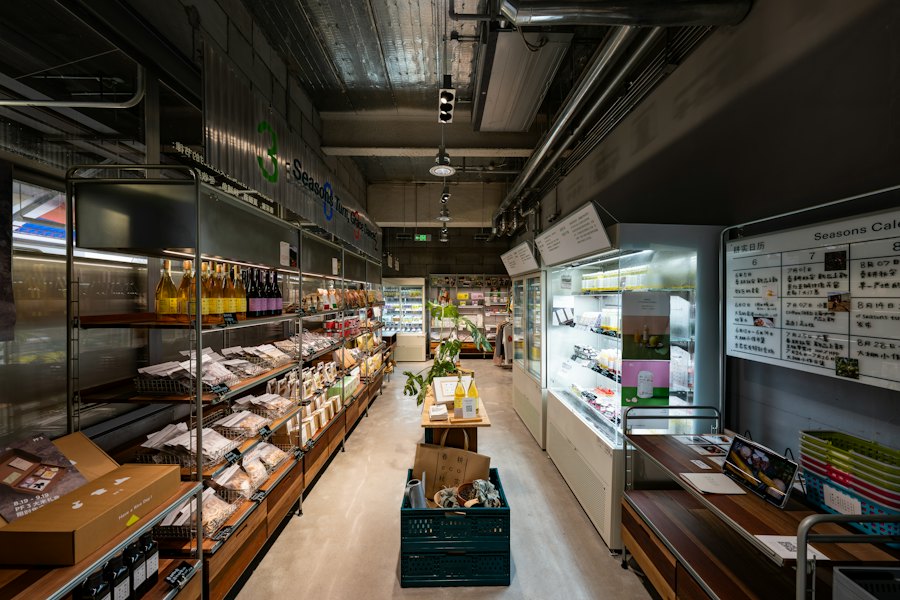
- Open and closed display cases, reach-ins and prep tables
- Remote condensing units and parallel rack systems
- Ice machines, including cleaning, sanitizing and water filtration
- Temperature monitoring and alarm devices
Warning signs worth a call
- Case or box temperatures drifting up during busy hours and recovering slowly.
- Heavy frost or ice on evaporator coils, or defrost that never seems to finish.
- Compressors running nonstop or cycling far more often than usual.
- Ice on the floor of a walk-in, torn door gaskets or doors that don’t close by themselves.
- Water pooling under cases, which often means a blocked drain or a failed drain line heater.
How a service call runs
- Triage by phone. We ask what’s at risk, what the box temperature is and whether product needs moving while a technician is on the way.
- Diagnose. Pressures, superheat, defrost operation, fan motors, controls and airflow are checked to find the actual cause.
- Restore. The priority is getting the box or case back to temperature, then completing a permanent repair if parts allow.
- Record. You receive a written summary including refrigerant added or recovered, which supports your compliance records.
Food safety and temperature records
The FDA Food Code calls for cold-held food to stay at 41°F or below, and local health departments enforce their own versions of that rule. Reliable equipment is only part of the picture: accurate thermometers, sensible alarm thresholds and someone who sees the alarm at 2 a.m. matter just as much. We can check probe accuracy, set up alarm delays that avoid false trips during defrost, and make sure notifications reach the right people.
Refrigerant management
Larger refrigeration systems carry federal leak inspection, repair and record-keeping obligations under EPA rules, and the list of permitted refrigerants for new equipment is changing. We keep leak and charge records for each visit and can advise on retrofit or replacement options when an older system relies on a refrigerant that’s getting harder to source.
Preventive tasks that pay off
Most refrigeration breakdowns we see trace back to dirty condenser coils, blocked drains, failing door gaskets or defrost faults. Scheduled cleaning and inspection, especially before summer, catches these early. It can be added to a preventive maintenance contract alongside your HVAC equipment.
Frequently asked questions
Do you respond after hours?
Yes. The 24/7 service line is there for exactly this situation. Tell us what’s at risk when you call so the job is prioritized correctly.
Should we move product while we wait?
If the box is climbing and you have somewhere safe to put product, yes. The technician will also advise during the triage call.
How often should ice machines be cleaned?
Manufacturers specify cleaning intervals, and water quality and use can shorten them. We set a schedule that follows the manufacturer and your site conditions.
Can you service equipment under a manufacturer warranty?
We check warranty status first. Where an authorized servicer is required to keep the warranty valid, we’ll tell you before starting work.